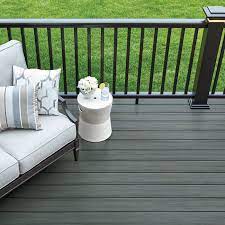
Composite and timber decking are two popular options for outdoor decking. However, each has its advantages and disadvantages. The following summary compares the benefits and drawbacks of composite decking vs timber decking:
Pros Of Composite Decking
- Durability
Composite decking is highly durable and resistant to rot, decay, and insect damage. It does not splinter or crack like timber, making it a safer option, especially for families with children or pets.
- Colour and Appearance
Composite Decking Australia comes in various colours, finishes, and patterns. It can mimic natural wood’s appearance, offering various aesthetic options to suit different styles and preferences.
- Eco-Friendly
Many composite decking materials, such as plastic and wood fibres, are manufactured from recycled materials, making them a more environmentally friendly option.
Cons Of Composite Decking
- Higher Initial Cost
Composite decking tends to have a higher upfront cost than timber decking. However, it can be a cost-effective investment considering the long-term durability and low maintenance requirements.
- Potential for Stains
While composite decking is generally stain-resistant, inevitable spills or stains (such as oil or grease) may be more challenging to remove. Prompt cleaning is recommended to prevent permanent staining.
- Heat Retention
Composite decking can retain heat in hot weather, making it uncomfortable to walk barefoot. However, selecting lighter colours or decking with built-in heat-reducing technology can help mitigate this issue.
Pros Of Timber Decking
- Natural Aesthetic
Timber decking offers a warm and natural aesthetic that many homeowners find appealing. It adds a natural beauty and character to outdoor spaces.
- Affordability
Timber decking can be more affordable than composite decking, especially for specific wood species.
- Cool to the Touch
Timber decking generally remains cooler than composite decking in hot weather, making it more comfortable for barefoot walking.
- Accessible
To Work With it so simple to shape and mould, timber is an excellent material for do-it-yourself (DIY) endeavours and designs tailored to specific needs. It can be cut, shaped, and sanded as desired.
Cons Of Timber Decking
- Maintenance
Timber decking requires regular maintenance to preserve its appearance and longevity. Regular cleaning and resealing are necessary tasks.
- Susceptible to Damage
Timber decking is more vulnerable to warping, splitting, and cracking over time, especially in harsh weather conditions. It may also be prone to insect infestations and rot if improperly maintained.
- Limited Lifespan
Timber decking has a shorter lifespan compared to composite decking. Depending on the wood species and maintenance, it typically lasts around 15 to 25 years.
Ultimately, the choice between composite and timber decking depends on your priorities, budget, and preferences. Composite decking offers durability, low maintenance, and a variety of styles, while timber decking provides a natural and classic look but requires more maintenance. Consider your specific needs, and once you’ve done so, investigate the advantages and disadvantages of each possibility.